Search here
 Log In
EU-Pakistan: Towards Better Ties & Times
Despite widespread acknowledgement that a longer-term alliance between Pakistan and the European Union is important, neither of the stakeholders have invested enough in engaging one another. Both have compelling commercial, diplomatic and security interests to deepen and broaden the relationship, yet no significant inroads have been made. Although policy coordination remains a challenge, the EU has key assets that it can leverage, including its reputation for supporting civil society, development initiatives, and democratic institutions. As Pakistan faces daunting challenges on several fronts, the EU can become an important partner, prioritizing its soft power capacity to assist Pakistan in its transition to modernize and reform its economy, consolidate political institutions and strengthen good governance in the public sector.
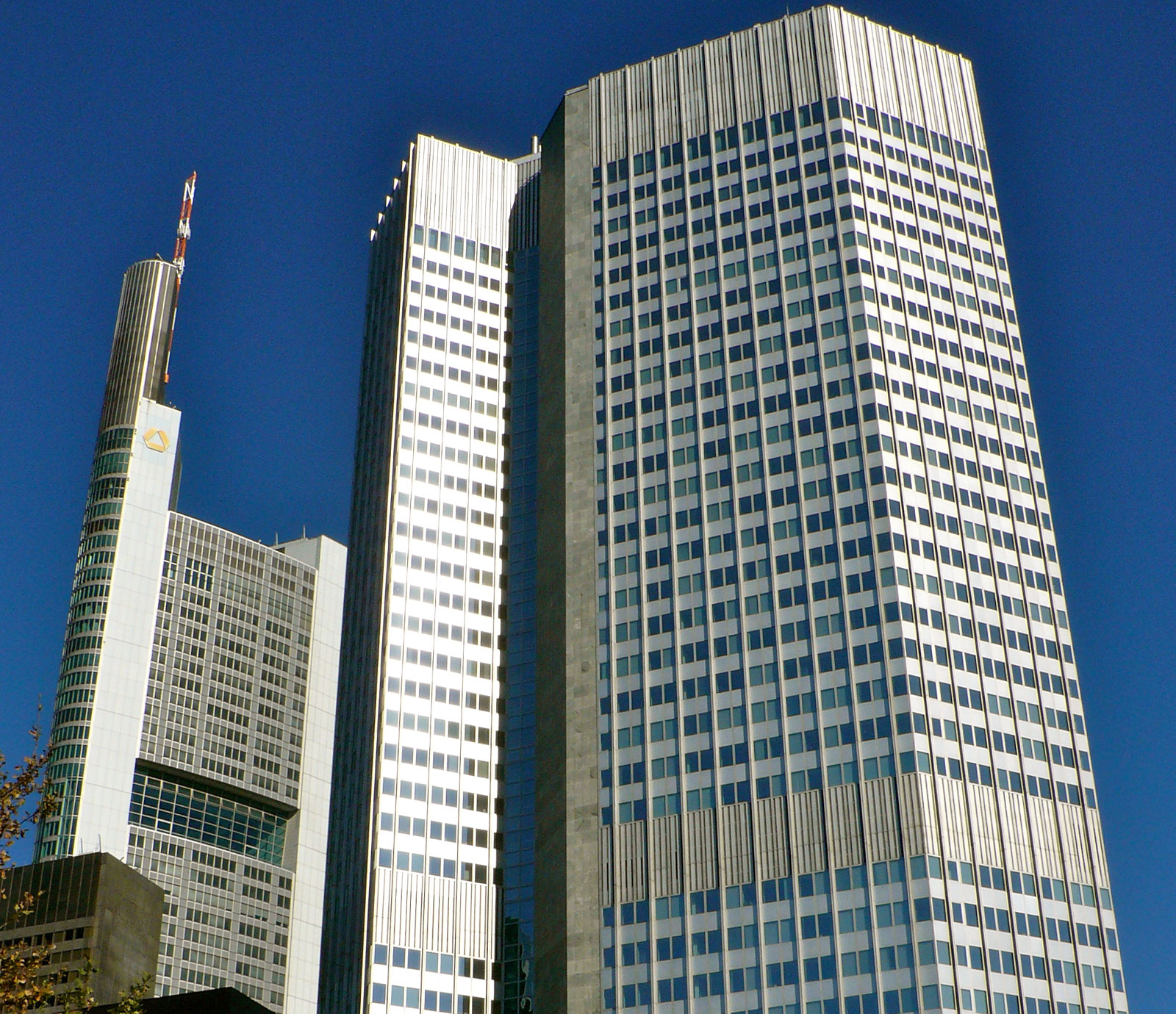
The absence of strong European military support could be offset by robust economic ties - the EU is Pakistan's largest trading partner - but that has not yet translated into significant political influence. As a result, the Eu continues to punch below its weight in Pakistan, remaining a marginal political player in the country with little leverage in the context of Pakistan's civilian leadership and its powerful military establishment.
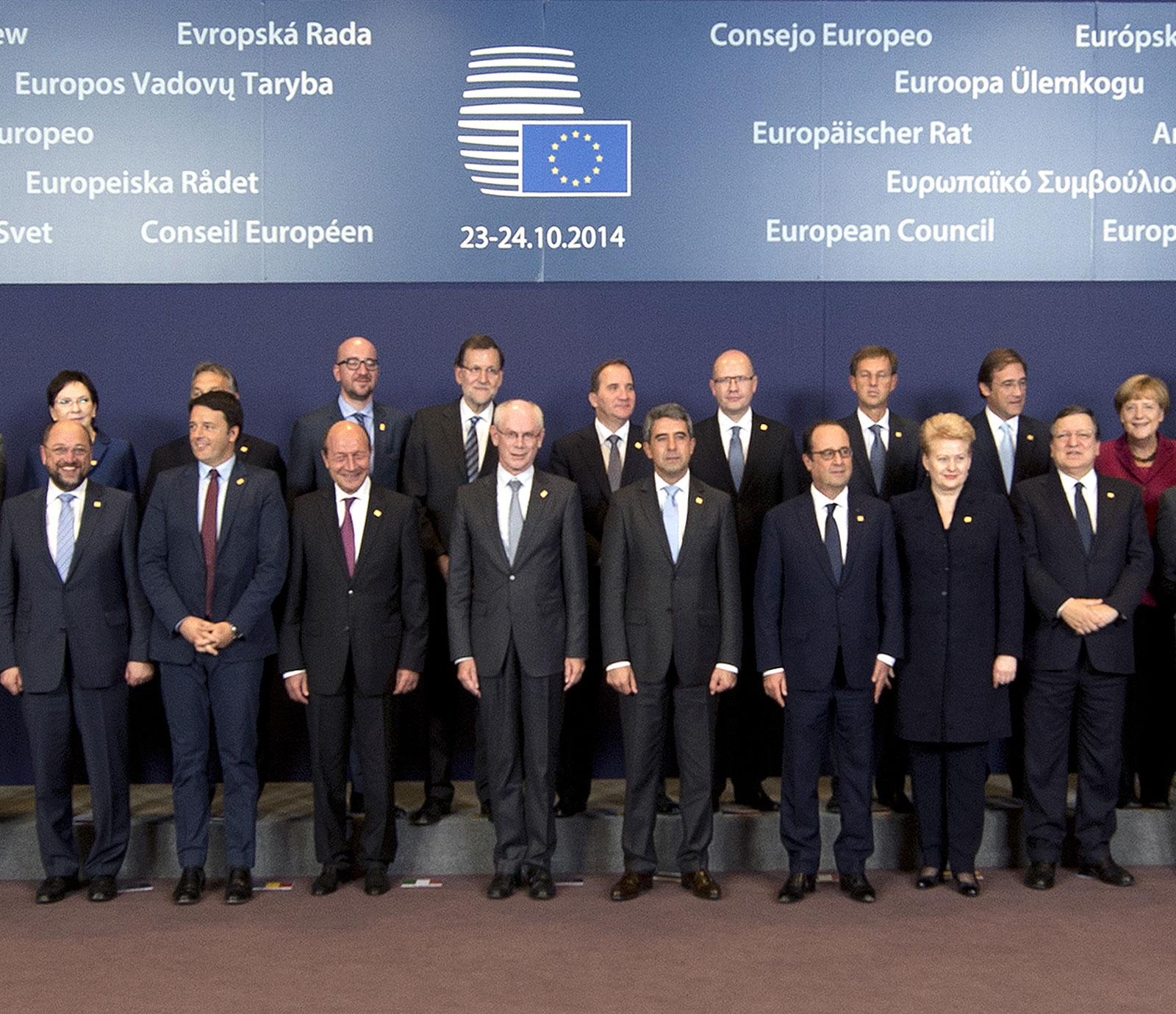
Pakistan's view towards Europe also needs a shake-up. Focused on its cyclical relationship with the United States, Pakistan is yet to concentrate its attention on the EU, which is seen as little more than a lucrative market for Pakistani exports. Europe's emergency aid efforts following the 2010 floods were certainly welcomed, but Pakistani policy-makers are pre-occupied with Washington to fully understand what Europe can offer in order to advance economic and political reform. Ironically, although Islamabad is envious of the much-wider scope and content of EU-India relations. Pakistan and India both share a common perception of Europe as an economic superpower, but politically on the backseat in international relations.
A fractured or an unstable Pakistan is a threat to European economic interests. Stability in Afghanistan and peace in South Asia are conditional on efforts to curb the power and influence of militant extremist groups in that country. A stronger EU effort to stabilize Pakistan will go a long way to determine Europe as an international security stakeholder, enhance its visibility and image in Asia and exercise its ability to leverage its non-military soft power tools such as economic assistance, trade and diplomacy. An EU failure to respond effectively and rapidly to important U.S. concerns about Pakistan will adversely impact efforts to craft a stronger transatlantic security arrangement.
Pakistan also has an interest in deepening and widening ties with Europe. Although the U.S will remain the dominant foreign player in Pakistan, and China is seen as the country's 'all-weather friend', Islamabad's failure to cultivate closer relations with Europe has meant that it gets a less empathetic hearing on crucial trade questions, including tariff considerations. In addition, it will not be consulted regularly on regional issues, and is yet to be recognized - like China and India. - as a strategic partner. The EU, with its experience of encouraging governance reform, promoting civil society, and spearheading economic modernization in Central and Eastern Europe, has much to offer to Pakistan.
There is some good reason for optimism. Encouraged by Washington to upgrade relations with Islamabad, senior EU representatives have held several summit meetings with Pakistani leadership, and more are planned. In a bid to set relations on a new trajectory, EU's previous High Representative, Catherine Ashton, had focused a number of important initiatives towards constructive engagement with Islamabad. Further, the EU officials made sincere efforts to secure World Trade Organization's approval for unilateral tariff concessions (GSP) for Pakistan textile exports to Europe. This is a very consequential milestone, as textile exports will reach $15 billion in 2014/15, and account for over 60% of the country's exports globally.
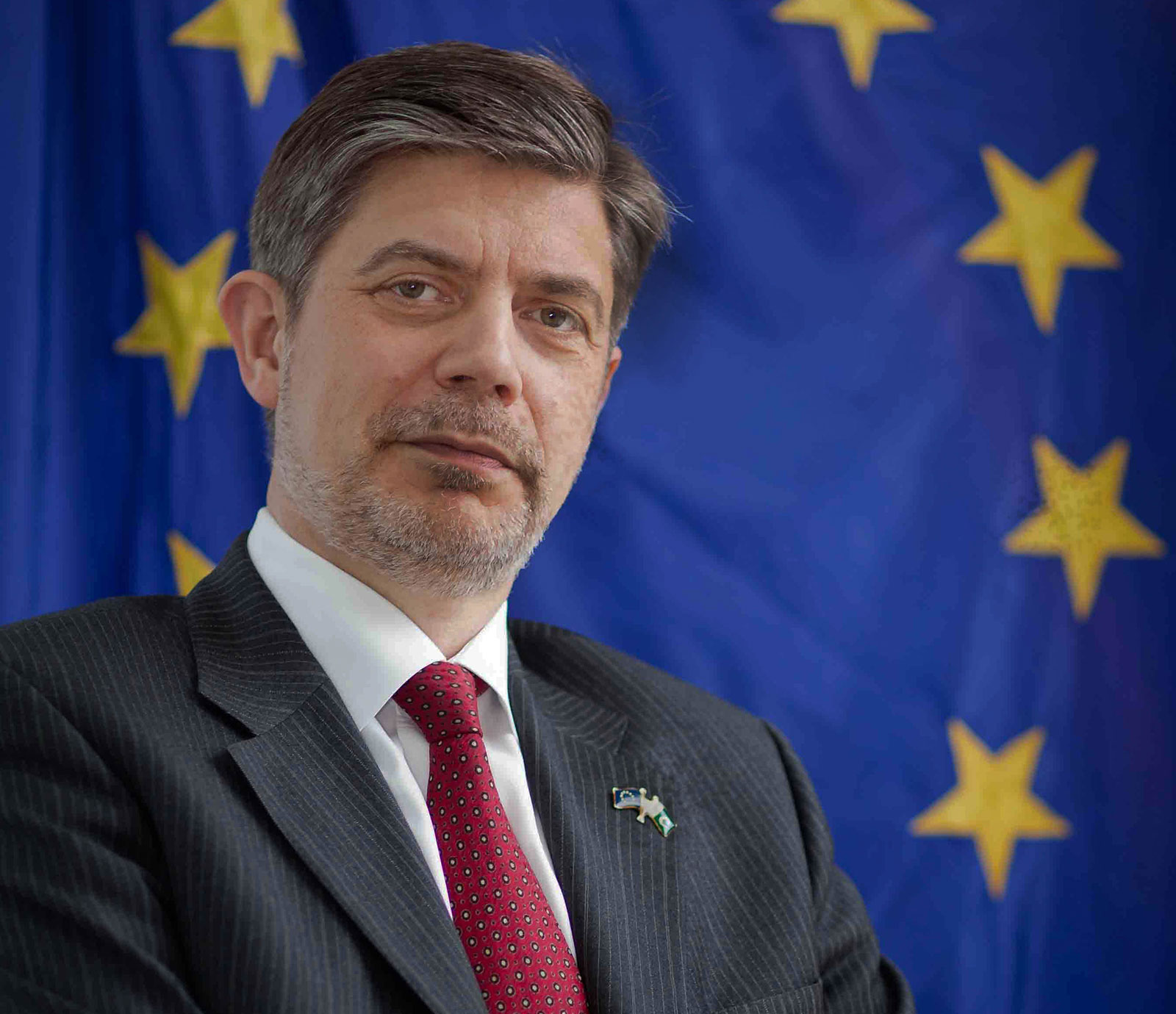
Europe has key assets that it can leverage in Pakistan. European countries are regarded by many in Pakistan with much less hostility. The EU has also built its credibility among Pakistan's leadership - including lawyers, human rights activists, pro-democracy groups - by focusing on the need to hold free and fair elections, insisting on the independence of the judiciary, and supporting stronger civilian institutions. Europe is therefore well placed to help strengthen Pakistan's increasingly dynamic civil society groups by ensuring media independence, and supporting human rights advocacy groups, including those working to protect women, children and marginalized communities. The Pakistani government can also needs advise on designing a strategy to counter terrorism through responsible development. The EU should also continue to explore avenues to support the fledgling democratic institutions, with a special focus on institutional building, legislative reform, and voter participation.
The EU does not have the U.S. clout when managing the Pakistan relationship. However, it has sufficient space in building a far stronger EU-Pakistan platform. To architect this effectively, it requires a more ambitious, overarching blueprint, and closer coordination with the U.S. and other major players. The EU must also be more innovative in building an agenda for engagement, prioritizing its soft power capacity and capability, to help a major country in transition. Pakistan will continue to be a substantive player in terms of the international security policy, a market of 200 million people, a growing middle class with higher discretionary incomes, and an international minded leadership, which aims to balance its global alliances and imperatives. Both, the EU and Pakistan, have so much to gain from this promising alliance.
The author is currently the President of the Board of Governors of the Pakistan Society for Training & Development, and brings extensive global business leadership experience spanning over three decades.