Search here
 Log In
Vietnam
Vietnam is a densely-populated developing country that has been transitioning from the rigidities of a centrally-planned economy since 1986. Vietnamese authorities have reaffirmed their commitment to economic modernization in recent years.
Vietnam joined the World Trade Organization in January 2007, which has promoted more competitive, export-driven industries.
Vietnam became an official negotiating partner in the Trans-Pa-cific Partnership trade agreement in 2010. Agriculture's share of economic output has continued to shrink from about 25% in 2000 to less than 20% in 2013, while industry's share increased from 36% to more than 42% in the same period. State-owned enterprises account for about 40% of GDP. Poverty has declined significantly, and Vietnam is working to create jobs to meet the challenge of a labor force that is growing by more than one million people every year. The global recession hurt Vietnam's export-oriented economy, with GDP in 2013 growing at 5%, the slowest rate of growth since 1999.
In 2013, however, exports increased by more than 12%, year-on-year; several administrative actions brought the trade deficit back into balance. Between 2008 and 2011, Vietnam's managed currency, the dong, was devalued in excess of 20%, but its value remained relatively stable in 2013. Hanoi has oscillated between promoting growth and emphasizing macroeconomic stability in recent years. In February 2011, the government stability in recent years. In February 2011, the government shifted from policies aimed at achieving a high rate of economic growth, which had stoked inflation, to those aimed at stabilizing the economy, through tighter monetary and fiscal control.
Vietnam has unveiled a broad, "three pillar" economic reform program in early 2012, proposing the restructuring of public investment, state-owned enterprises, and the banking sector.
In 2009, Vietnam achieved economic growth of 5.3%, exceeded goals, and ranked highest in the world for economic growth.
Sector growth rates for 2009: 18% for agriculture, forestry and fisheries; 5.5% for industry and construction; and 6.6% for the service sector.
Economic sector structures increasingly orientate toward the development of a multi-sector commodity economy operating through a state-managed market mechanism whereby private businesses freely develop in scale and operational territory in endeavors legally approved.
Vietnam maintains diplomatic relations with 169 countries; signed bilateral and multilateral trade agreements with 80 countries; and exchanged most favored nation privileges with over 70 countries and territories, namely those with high capital, industrial resources, and large markets such as found in the US, Japan, EU and the newly industrialized economies of East Asia.
Since implementation of the open-door economic policy, Vietnam has signed cooperative economic and trade agreements with EU (1992), engaged in ASEAN membership (1995) and AFTA, ASEAN Free Trade Agreement (2001), gained APEC admission (1998), sealed a US-Vietnam bilateral trade pact (2001), and won WTO admission as the 150th member of the organization with official recognition on January 11, 2007.
Despite the global turbulence in 2012, Vietnam export is still on the rise. It reflects the increasing competitiveness of Vietnam in the global economy. The value of goods exported in 2012 reached US$115 billion, an increase of 18% from 2011. It is mostly driven by the growth in FDI. FDI increases by 31% amounting to US$72 billion.
Vietnam's export basket has seen a significant transformation in the past 10 years. Crude oil and agriculture including rice accounting for 44% of Vietnam's total export value in 2002 saw their share increase to 19% in 2012. Hi-value export items, which had a negligible share in 2002, now account for more than a fifth of Vietnam's total exports.
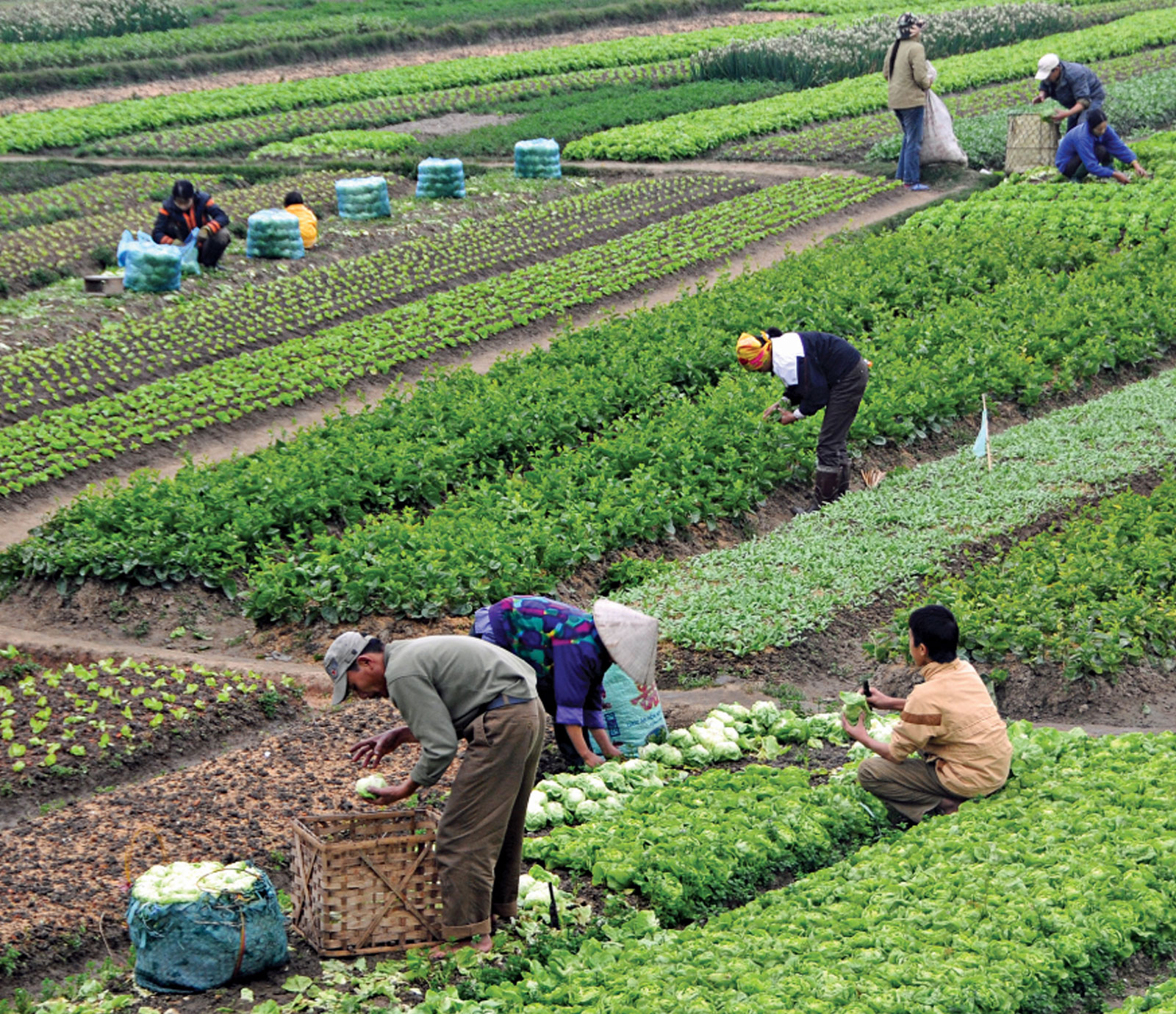
Vietnam’s Honey Export
Opportunities and Potentials
Vietnam is a potential and traditional honey producing country.
Before 1980, beekeeping was still under-developed. At that time, beekeeping was a fun that brought a small income for households. Since 1980s, beekeeping has developed rapidly in all provinces. At the beginning of 1990s, Vietnam started to export honey but volume was very small, just about tens tons a year. Honey-beekeeping in Vietnam was a small and backward sector in compared with in the world. However, at present, Vietnam becomes one of the well-known honey exporters in the world markets.
Overview of Vietnam's Honey Sector
Even though being a small sector that accounts for a small portion export revenue (less than US$100 million/year), honey export and production contribute significantly in job creation, poverty reduction, exploitation of available natural resources, lessening deforestation, strengthening value added, and enhancement of living standards of ethnic minority people in mountainous regions such as Central Highlands and North West.
Currently, Vietnam ranks the 6th in the world and the 2nd in Asia regarding honey export, following China and is in the top 10 honey export countries in the world. Vietnam beekeeping association is recognized by the World Beekeeping Association as an active member out of 58 members. By 2008, Vietnam had 1,000,000 colonies (including 650,000 Italian colonies and 350,000 domestic colonies) with estimated output at nearly 20,000 tons of honey. In which, 16,000 tons were for export equivalent to US$35,000.
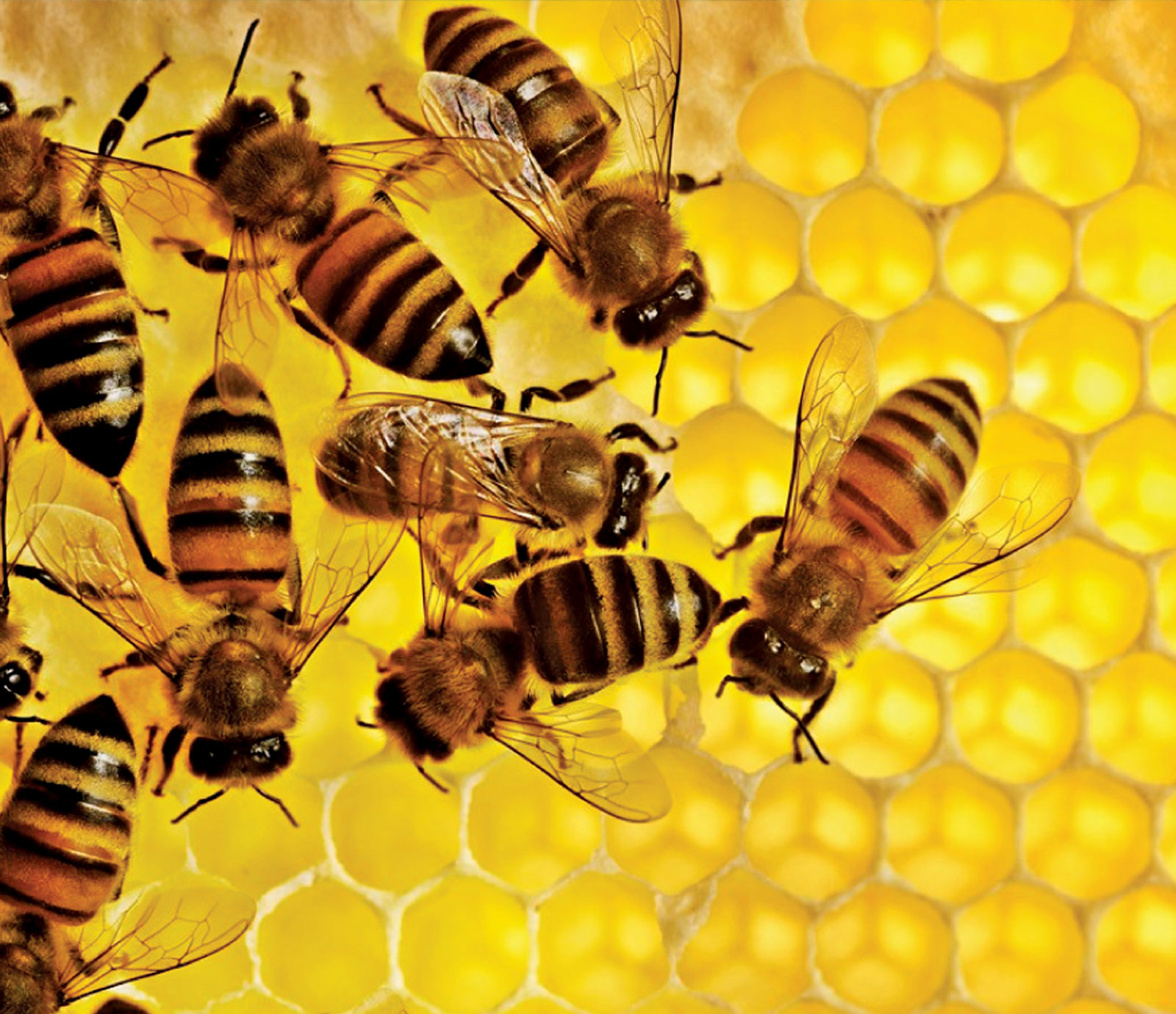
In 2013, honey volume in the country was 48,000 tons, in which 37,000 tons were for export. In particular, Vietnam exported over 30,000 tons of honey to the U.S., and reached the revenue of US$75.66 million. Recently, honey export growth rate has increased stably at high rate (14%). Vietnam honey is mainly exported to the U.S market at price much lower than that of other countries (US$2.48/kg).

Current Export Situation and Limitations
Export revenue: Vietnamese ranks the 6th in the world and the 2nd in Asia (following China) in honey exports. In 2011, the whole country produced more than 30,000 tons of honey. In which, 27,000 tons was for exports. In 2012, Vietnam export revenue was US$58 million, accounting for 3.1% export revenue of the world. The U.S. is the main importer of Vietnam's honey, taking 95% Vietnam honey exported to the world. 2013 was the first year when Vietnam exported over 30,000 tons of honey to the U.S., and reached the revenue of US$75.66 million. Honey export to Middle East, Japan, EU and some Asian countries reaches 34,000 tons equivalent to about US$85 million. This is a breakthrough of the honey sector. Beside the U.S., Vietnam also exports this product to the Middle East, Japan, the EU and some other Asian countries. However, Vietnam honey export price is US$2.48/ton, much lower than the average export price to theU.S (US$3.31) and to other countries.
According to Vietnam beekeeping association, Vietnam continuously gained good results in exporting honey to the world in the first seven months of 2014. In total, 27,000 tons of honey was exported to 14 countries and territories. The country succeeded in exporting to the new strict market, Australia and other markets such as Mongolia and the EU. The U.S. still accounts for 95% of the country's total export revenue, with over 25,000 tons in the first 7 months of 2014.
Growth Rate
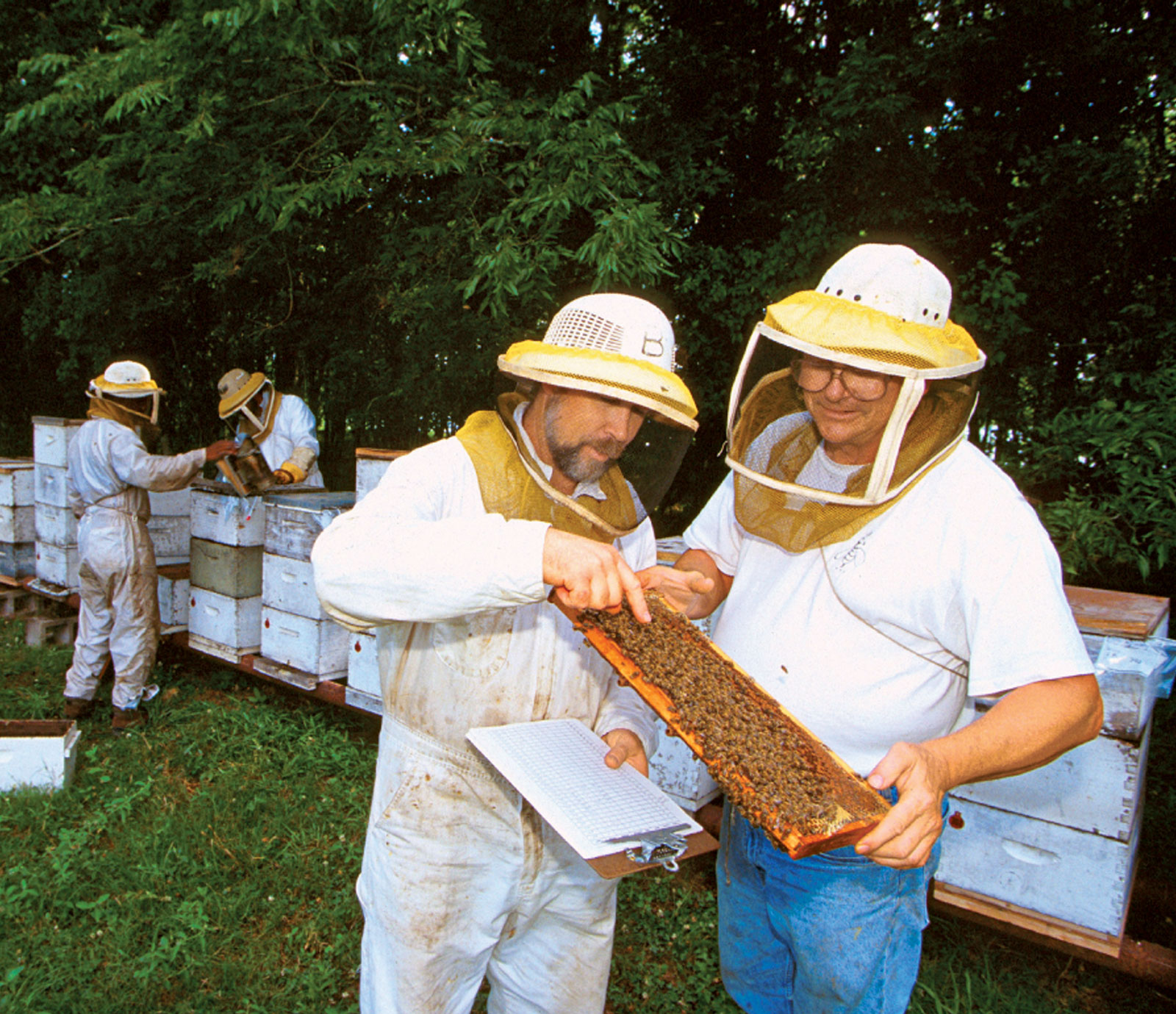
The average growth rate of Vietnam's honey export increased stably at high rate (14%). Especially, in compared with 2008, growth rate of Vietnam's honey export in 2012 was 87%, reaching nearly 30,000 tons for the world market. Growth rate in the period 2009 - 2013 was 20% in value and 12% in volume.
In which, in 2013, the whole country produced more than 37,000 tons of honey.
The Central's region proportion of honey export of the country: 40% (number of colonies in the country is 1,000,000, in the Central region is 400,000).
Vietnam's proportion of honey export in the world: 6.3% (Trademap, 2013: 37,000/587,000)
Products are produced and exported: "Natural honey" (HS 040900) and "Beeswax" (HS 152190).
Main export markets:
Vietnam honey market share is 3.1% of the world. Vietnam ranks the 6th in the world, and the 2nd in Asia regarding honey export. The U.S, Canada, Japan, Taiwan (China) and Germany, etc... highly appreciate Vietnam honey except antibiotic and chemical contents.
Analysis of honey import and export countries shows that China is the biggest honey producing country. The largest honey import country is the U.S. Meanwhile, the U.S do not import honey from China but other countries and Vietnam ranks the second in exporting honey to the U.S. This shows that it is an opportunity for Vietnam enterprises. However, enterprises should comply strictly standards to avoid losing prestige and national trademark that the sector has built up.7